Varför är många nationalekonomer okunniga?

Med dårars envishet upprepar ett antal nationalekonomer myten om att marknadshyror skulle medföra ett ökat byggande av hyresrätter. Att fastighetsägare håller med är ju inte så konstigt det är ju en grupp som vill få ut maximalt av sina kunder. Och är det bostadsbrist så går det ju alltid att trycka upp hyrorna. Om det sedan är bra ur samhällsekonomisk synvinkel att konsumtionsutrymmet sjunker och att låginkomsttagare vräks är ju inte deras problem.

Men dessa nationalekonomer ska ju se vetenskapligt på sakerna. Men tyvärr lyckas de bland ihop sin tro med vetenskap. Det finns en hel del forskning gjord i denna fråga. En rapport från 2012 med professor Christine Whitehead, London School of Economics som projektledare, tar upp förhållandena i elva olika Västeuropeiska länder. Den visar att där hyresmarknaden avreglerats har den privata hyressektorn tvärtom minskat eller möjligen behållit sin storlek.  Det är helheten som avgör: skattesystemet, avskrivningsregler, subventioner, utvecklingen för de andra upplåtelseformerna liksom avkastningen på alternativa investeringar, etc. och inte bara hyreslagen.

FN:s föredragande i bostadsfrågor, Raquel Rolnik skriver i en väldokumenterad rapport, augusti 2013: ” En väl-reglerad hyresmarknad kan främja målen att skydda hyresgäster och i synnerhet de med låga inkomster, och samtidigt uppmuntra hyresboendet. Å andra sidan, avskaffande av hyresreglering och underlättande av vräkningar (av ekonomiska skäl), har sällan medfört ökade investeringar i hyresmarknaden utan faktiskt vridit marknaden mot äganderätt. (min översättning, punkt 37 i rapporten)”

I två examensarbeten från KTH år 2000 och 2001 som studerat vad som hänt vid avreglering i de nordiska huvudstäderna, Spanien, Finland och Storbritannien konstateras också att en avreglering inte ökar byggandet av hyresrätter. I Norge med avreglering har t.ex. antalet och andelen boende med hyresrätt minskat mellan åren 2001 och 2011 enligt officiell statistik.

I Sverige subventioneras enbart ägande. De samlade subventionerna netto per år (ränte- och rotavdrag minus fastighetsavgifter) är cirka 25 miljarder per år. Hyresrätten får inga subventioner utan ger staten bara intäkter i form av bolagsskatt och fastighetsavgifter.

Den ensidiga subventioneringen av ägande i flera länder har kritiserats av flera ekonomiska forskare, i rapporter från EU, IMF, OECD, FN m.fl. och bidragit till den nuvarande ekonomiska krisen. Subventionerna till ägt boende, inflyttningen till storstäderna, lågt bostadsbyggande och växande bostadsbrist har drivit upp priserna i Sverige och ökat hushållens låneskulder till rekordnivåer. Subventionerna kapitaliseras, möjliggör ökade priser, vilket också syns på byggpriserna.  2012 var det i genomsnitt 13 500 kr/kvm dyrare att bygga bostadsrätter än hyresrätter i Sverige. Byggarna tjänar mer på att bygga bostadsrätter. Samtidigt efterfrågas det framför allt hyresrätter med hyror som unga och hushåll med lite lägre inkomster kan ha råd med. Är lösningen då att höja hyrorna? Nej, lösningen ligger i att ge hyresrätten likvärdiga skattevillkor med äganderätt och förbättra konkurrensen i byggsektorn. Då ökar byggandet, byggpriserna sänks och hyresskillnaderna kan minskas.

Utanförskap kostar

I ett annonsblad från Lärarförbundet i Dagens Nyheter finns det intressanta siffror på vad utanförskap kostar. Nationalekonomen Ingvar Nilsson ger ett exempel: Tre unga män som han stiftat bekantskap på Fryshuset i Stockholm. Alla tre har marginaliserats tidigt i livet och sent diagnoistiseras med adhd.

”De här killarna har kostat samhället 50-75 miljoner. Det hade kostat en miljon, högst, att få upp dem på banan när de började kasa i skolan.”

Jag tror att detta också är ytterligare ett skäl till att Ängelholm, liksom andra kommuner, borde satsa mer på både skola och utvecklande fritid. Och en utmaning för den förening som vi startat i Ängelholm, Kulturgården. Kulturgården kan ge unga möjlighet till utveckling istället för att driva runt och, speciellt för dem som saknar trygghet i sig själva, hamna i fel sällskap.

Intressant rapport om hur den finansiella krisen påverkar bostadsmarknaden

SIEPS (Swedish Institute for European Policy Studies) har publicerat en rapport av Christine Whitehead, Kathleen Scanlon and Jens Lunde: The impact of the financial crisis on European housing systems: a Review − SIEPS 2014:2 − som kan hämtas här: http://www.sieps.se/sites/default/files/Sieps%202014_2%20webb_NY.pdf

Den är väl värd att läsa i sin helhet. Dessutom har den en sammanfattning på svenska.

I den när författarna blickar framåt ser de:

”Minst fyra grundläggande faktorer utgör orosmoln när det gäller bolåne- och bostadsmarknaden i framtiden:

För det första, om euroekonomin och världsekonomin allmänt börjar återhämta sig kommer detta att sätta press på såväl bostadspriser som hyror. Det kommer i sin tur att öka trycket på regeringarna att försöka stabilisera systemet, vilket kan innebära att situationen vad gäller priser och produktion förblir instabil.

För det andra ligger räntan på en historiskt låg nivå samtidigt som den privata skuldsättningen befinner sig på en fortsatt hög nivå i många länder. Om räntan höjs, om så bara marginellt, kan många hushåll påverkas negativt.

För det tredje är det troligt att CRDIV, Basel III och andra regeländringar ökar lånekostnaden och gör det svårare att ta lån. Bolånemarknaderna i traditionellt sett mer öppna finansiella system kommer troligtvis aldrig att återgå till aktivitetsnivåerna före krisen.

Slutligen har vi utbudsfrågan. Instabila bostads- och bolånemarknader leder till större risker och större svårigheter för byggföretagen att skaffa finansiering. Den viktigaste slutsatsen i vår studie är att i nästan alla europeiska länder och andra marknadsekonomier – som t.ex. USA och Australien – så är den största begränsningen finansieringen av nya projekt.”

Lär av Tenant Management Organisations (TMO:s)!

Den 13-15 juni var jag inbjuden till den årliga konferensen som the National Federation of Tenant Management Organisations (NFTMO) höll i Stratford-on-Avon (Shakespeares födelsestad för övrigt vilket var omöjligt att missa). Det var en både intressant och lärorik konferens. Dessa TMO:s förvaltar alltså hyresbostäder med en social inriktning. Även om den konservativa regeringen i England skär ner på anslag till boende (utom till ägande förstås) så lyckas dessa att hålla ner hyror, se till att bostadsområdena fungerar o.s.v. Jag tror att både hyresgästföreningar och värdar samt bostadsföretag (såväl kommunala som privata) har en hel del att lära av dessas sätt att arbeta och attackera problem av olika slag. Jag är idag ganska okunnig om hur man arbetar inom hyresgästföreningen med områdesfrågor, men jag möter ofta en ganska passiv inställning. En av mina käpphästar är det som en professor i företagsekonomi skrev för många år sedan, nämligen att ett bra boende åstadkoms genom samverkan och ömsesidig respekt mellan hyresvärd och hyresgäster. Om hyresgäster tror att en hyresvärd kan fixa allt utan hyresgästers aktiva medverkan så har de fel. Vi har alla ett ansvar att hjälpa till och ta hänsyn till varandra. Attityden att allt som händer i ett bostadsområde är hyresvärdens ansvar, som tyvärr en del hyresgäster har, håller inte. Enligt min uppfattning är det viktigt att hyresgästorganisationen lär ut hyresgästernas aktiva ansvar för ett väl fungerande boende. Självklart är det också lika viktigt att hyresvärdar och fastighetsägare respekterar och uppmuntrar aktivitet hos och inflytande av sina hyresgäster. Allt blir bättre om man hjälps åt och försöker respektera varandras olika roller. Allt är inte hyresförhandlingar, eller hur?

Jag tror att det skulle vara lärorikt för både hyresgästorganisationer och värdar/bostadsföretag att lära mer om hur dessa TMO:s arbetar. Kolla på http://www.nftmo.com/!

Learn from Tenant Management Organisations!

I was invited to the Annual Conference The National Federation of Tenant Management Organisations (NFTMO) June 13th to 15th i Straford-upon-Avon. It was a very inspiring Conference with a lot to learn for tenant unions and associations all over the world. It is of course impossible to copy everything  because the conditions and the laws differ from country to country but still everyone could learn from the spirit and the way they work. It is about innovation, involving the Community, being a good neighbour, the quality of management, how to involve young people, how new homes should be, how to be an effective board, how to use social media and so on. Go to http://www.nftmo.com/ and learn more! And it is not only tenant organisations that could learn a lot from them but also landlords and housing companies.

I will thank Nick Reynolds, Trevor Bell, Roy Read and Peter Harrison for fine and inspiring days in Straford!

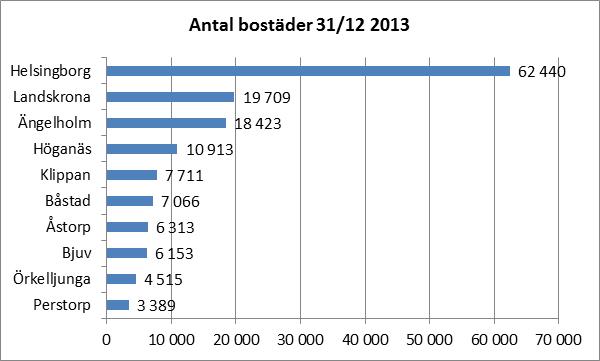
Stora boendeskillnader mellan kommuner i Nordvästra Skåne

Enligt dagens uppgifter från SCB, som härstammar från det nya lägenhetsregistret, har Höganäs och Båstad de högsta andelarna bostäder med äganderätt. De högsta andelarna med hyresrätt finns i de två största städerna Helsingborg och Landskrona. Samtidigt ska man komma ihåg att upplåtelseformen i denna statistik bygger på ägarformer inte hur de boende förfogar över bostäderna. Det förekommer ju att ägda småhus hyrs ut, att det finns hyreslägenheter i bostadsrättsföreningar samt att bostäder hyrs ut i andra hand. Så om man istället är intresserad av hur de boende förfogar över bostäderna, så talar mycket för att andelen av bostäderna som hyrs ut är underskattad.


Bild

Helsingborg är den i särklass största staden med över 62 000 bostäder. Landskrona är lite större än Ängelholm. Den kommun som har minst antal bostäder är Perstorp med cirka 3 400 stycken.

Bild

EU and housing – a contradictory attitude

While housing is not an EU competence threre are a number of areas where EU policies impact directly upon housing provision revealing in some cases insufficient consideration of the diversity of local consumer needs in the field of housing. And further more the EU Commission has with the so called Semesters issued recommendations to some countries to change their housing policy. These recommendations reveals  a troubling lack of knowledge of the social reality in these countries. You get the impression that the Commission just repeats the views of organisations of property owners and/or is supporting some political ideas within the governments. But you have never heard the Commission to advocate tenure neutrality or, expressed differently, to critize the uneven support from the state in many countries to home ownership compared to the rental sector, which hurts the competition between these tenure forms. For instance in Sweden homeownership is heavily subsidized while the rental sector on the contrary has no subsidies and only provide revenue to the state.

A stakeholder group which brings together expertise that know the social realities to contribute to an impact assessment of planned EU policies would help to avoid mistakes. You cannot leave the housing policy to economists and property owners, but must take into account the social realities. Housing policy is a socialeconomic issue.

And the situation in many countries is alarming. Housing costs could take 50-60 percent of the budgets of low income households. There are rising evictions. A half million in Spain since 2008. Big part of the housing buildings in many countries are energy ineffective and need renovation, but many household can not afford much higher rents. A shortage of good quality, decent and safe housing at affordable prices/rents and/or the inability of residents to afford the costs of maintanance contributes to social exclusion.

The housing policy is certainly not the competence of EU, but EU must take in to account the effects of the policy decisions. The experience so far underline the need of a more balanced approach and a better understanding of the social issues from the Commission.


EU-val och riksdagsval inte samma sak

När jag studerar resultaten från SCB:s stora partisympatiundersökning där folk har svarat på frågan hur det skulle rösta om det var riksdagval, slås jag av de stora skillnaderna mellan resultaten från EU-valet och denna undersökning. Jag tror att det är betydligt lättare att vinna stort stöd om man driver en enda fråga i EU-valet. Se på Junilistan och Piratpartiet. Miljöpartiet har fått stort stöd för att det drivit miljöfrågan. Fi i kvinnofrågan, SD i invandringsfrågan och motståndet mot EU. Jag tror att det blir betydligt svårare för enfrågepartier (dit räknar jag dock inte MP) att få ett stort stöd i höstens riksdagsval.

False claims against IUT in International Journal of Housing Policy

In an article in International Journal of Housing Policy published on line April 24 2014 professor Quintin Bradley states:

“The policy of tenure neutrality championed by the International Union of Tenants as essential to a right to adequate housing advances a model of general needs or, in other words, universal social rented housing provision unrestricted by income limits or needs-based rationing.”

What means tenure neutrality?

First it is important to understand what tenure neutrality means. It is not about social housing.  It has to do with the way governments support the different tenure forms.

The problems appear when the state subsidizes without any conditions according to the rent or the price. In some countries, as for instance USA, Ireland, Spain and some more, this policy have created price bubbles among owner-occupied dwellings and caused the present financial economic crises. The subsidies to home-owners in some countries are very high and cost the states many many billions. Because these subsidies (mostly in form of tax deductions that benefits wealthy households the most) don´t have any conditions attached to them, they also leads to higher prices in expansive regions. And the effect is even stronger when the rental sector cannot compete with the owner-occupied sector on the same financial conditions. It is more profitable for the constructors to build for homeowners then for renting because they could get higher prices from the households due to the subsidies.

That’s why it is necessary to have tenure neutrality: the situation in which the consumer is financially indifferent between owning and renting a dwelling. Tenure neutrality means that ways of finance and the tax system do not distort consumer choices between renting and owning.

The households must have the possibility to choose what kind of tenure suits them best in their present circumstances. Many people cannot afford owned housing and may not get any mortgage from the bank. And many don´t want to be stuck to a dwelling for a long time depending on the situation on the labour market. Students need temporary dwellings during their studies. The rental sector is vital for the economy because it makes it easy to move. That is why the state should not support owned more than rental housing.

Social housing without income limits?

Second IUT don’t advocate social housing for all unrestricted by income limits. Par definition social housing is always connected by income limits. But that can be done in different ways. And it should be up to every state to define the conditions for social housing without interference from the EU Commission. But we advocate decent and affordable housing for all as a fundamental human need, and a basic human right. Access to affordable housing is one of the fundamental pillars in well-functioning democratic societies.

The market alone cannot solve the housing problems for many e.g.

  • Young households
  • Certain ethnic groups
  • Low income households
  • Disabled households in need of care.

We need social housing and/or housing allowances to needed households and other forms of subsidies and adapted housing to fight market failures. Subsidies to provide affordable housing are necessary but should not be able to be capitalized. The aim of the subsidy should be to lower the costs not to stimulate higher prices. Subsidies on a free market, e.g. mortgage interest deduction, stimulate speculation, contribute to increased prices on homes and construction, push up rents and decrease housing affordability especially in regions with high levels of migration.

A social mixture is desirable and wise. The housing policy should not create ghettos with only the most needy. The social climate in a housing area affects the future possibilities of households and individuals living there. That’s the reason why countries have expanded the entrance to social housing over a very low minimum incomes and let households which have got somewhat higher incomes stay in the area. There are different approaches in different countries to create this social mixture, which the EU Commission should accept.

According to the competition rules it is right to let private landlords manage social housing. For me it would be interesting to let the EU Commission examine whether large subsidies to homeowners and none to the rental sector, as for instance in Sweden, are in compliance with the competition rules.

The false claims of Bradley

Mr. Bradley basically states that:

–  Universal housing systems/policies (as IUT advocates according to him) have actually led to rising rents and conditionality in the social housing sector

–  Universal housing is not actually “universal”, as allocation criteria eventually produce the exclusion of those “most in need” or their relegation to bad quality dwellings

Also, he says that the campaign for “affordable housing for all” is actually in the interest of a specific social class/ income group (the relatively well-off). 

Therefore, he suggests IUT to solve the dilemma between the need for universal housing and the conflict between different income groups. An extract from his conclusions follows:

 “This is a difficult task of confronting the conflicts between social groups and assembling a plurality that does not exclude the least vocal and most vulnerable. Confronting the tensions in the universal would appear to be the first stage in advancing a blueprint for a right to housing that can be truly available to all”.

It is rather questionable how he comes to his conclusions. He takes into account only one country (UK) and one case study (interview with 2 groups of tenants).  And he doesn’t mention the huge subsidies in many countries that goes to the most wealthy.

Also, it is quite odd to say that the campaign for universal access to affordable housing has resulted in higher rents. It would be better just to say that universal housing systems have been undermined by neo-liberal policies.

To my mind, it is not correct to state that “policies intended to make social housing more widely available in England, France and Sweden have raised rents and threatened affordability” (see page 2 of his article). Historically, the UK has a “residual” (or liberal) welfare state system, the “bedroom tax” showing evidence of the “path-dependency” of British housing policies. In France, the Loi Boutin (2009) has actually reduced the income ceiling for access to social housing (and wealthier tenants have to pay a surplus to finance the system). Sweden has only a minimum part of social housing in form of shelters. Public housing has the same conditions as the private rental sector. To help people with small incomes there are housing allowances and also social assistance.  He writes that Sweden has withdrawn State aids to public housing companies a few years ago. The fact is that Sweden has withdrawn State aid (investments grants to small rented dwellings regardless of owner) but kept and increased the subsidies to home-ownership.  Well, to which policies is he referring to? 

If we look at the evolution of welfare state systems in Europe, we can observe (from the 80s) a general trend of liberalisation in Europe, i.e. the State withdrawing from or reducing public support.

I think that the main reason for rising rents and unaffordability do not lay on the political discourse of tenants representatives, as Professor Bradly want us to believe, but on other factors instead. 

Sven Bergenstråhle

Föreningen Kulturgården i Ängelholm har bildats

Den 9 maj introducerades föreningen på Facebook-sidan Kulturgården i Ängelholm. När detta inlägg skrivs har den fått 132 som gillar den. Och nya trillar in hela tiden. Främst från Ängelholm, men också från grannkommuner.

Vi vill skapa en mötesplats för Ängelholms ungdomar – en varm och kreativ miljö där alla är välkomna för att utveckla sitt intresse eller en idé! Kulturgården i Ängelholm har till ändamål att driva verksamhet inriktad på bland annat:
– Musik, teater, dans, konst, fotografi, kläder
– Ljud och film
– Dataspel och IT-utveckling
– Återbruk
– Entreprenörsutbildning
– Projektutveckling inom olika sociala områden och intresseinriktningar
– Utveckling av unga människor genom gott ledarskap
 Vilka verksamheter av dessa som kan komma till stånd är en öppen fråga tills vidare.
 Målgruppen för föreningens verksamhet är främst ungdomar och unga människor, men är öppen för alla. Föreningen ska verka för att alla känner sig välkomna i en varm och kreativ miljö och motverka utanförskap och diskriminering.
 Kulturgården är tänkt som ett komplement och stöd till Kulturskolan och det planerade Kulturstråket i Ängelholm och inte som konkurrerande verksamhet.
 Parkskolan skulle med sitt centrala läge och lokaler passa mycket bra för föreningens tänkta verksamheter, och vi undersöker just nu möjligheterna och formerna för detta. Om föreningen inte kan ta Parkskolan i anspråk, så kommer vi att jobba vidare för att hitta en annan lösning.
Vill du bli medlem i vår förening så skicka följande uppgifter till kulturgarden.angelholm@gmail.com:
Namn, adress, e-postadresss, telefon och födelseår.  Det kostar inget att bli medlem. Ju fler medlemmar desto större möjligheter har vi att uppnå våra mål. Så gå med! Vi behöver dig!
Kulturgårdens interimsstyrelse:
Sven Bergenstråhle, ordf, svenbergen@telia.com
Maria Angenius, sekr, maria@angenius.se
Xanna Åkervinda, kassör, xannasan@hotmail.com
Albana Veseli, ledamot
Filip Landén, ledamot
Lena Landgren, ledamot
Filip Hansson, ledamot
Hanna Angenius, ledamot